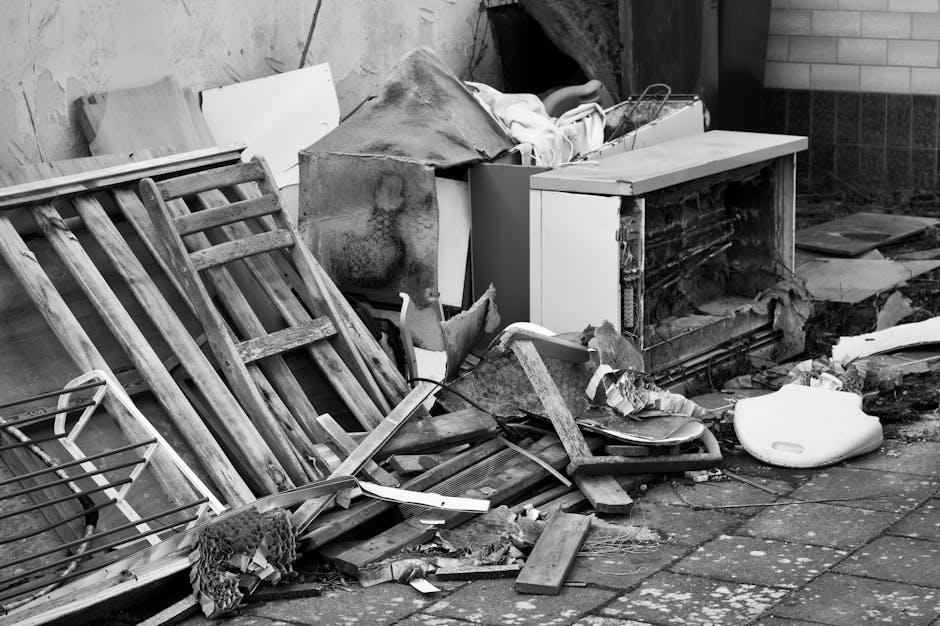
Quick guide: clearing damp or mouldy rubbish safely
If you've ever opened a storage box, loft bag, or piled-up bin sack and been hit by that unmistakable musty smell, you'll know this is not a normal tidy-up. Clearing damp or mouldy rubbish safely needs a different approach from everyday decluttering because mould spores, damp fibres, and contaminated liquids can spread fast if you rush. The good news? With the right method, you can sort, bag, move, and dispose of it without making the problem worse.
This guide gives you a practical, UK-focused approach to handling contaminated waste at home or at work. It explains what to do first, what to avoid, how to protect yourself, and when it makes sense to book a professional clearance service such as rubbish clearance, waste removal, or a larger home clearance if the job is bigger than a few bags. The aim is simple: reduce exposure, keep the space safe, and dispose of the waste in a way that doesn't create a new problem down the line.
Key takeaway: treat damp or mouldy rubbish as potentially contaminated, contain it before moving it, and choose a disposal route that matches the volume and risk level.
Why clearing damp or mouldy rubbish safely matters
Damp waste and mouldy rubbish are different from ordinary household clutter. Once moisture gets into cardboard, fabric, mattresses, furniture, soft toys, paper, or food packaging, those items can start to support mould growth. And once mould sets in, simply carrying the item outside is not the end of the story. If you disturb the material, spores can become airborne, settle on nearby surfaces, and travel into other rooms.
That matters for three reasons. First, it can affect health, especially for anyone with allergies, asthma, or reduced immunity. Second, damp waste can contaminate the route out of the property, from floors and door frames to hallways and stairwells. Third, if the rubbish is left sitting around, it can attract pests, worsen odours, and make the room harder to restore properly.
In practice, the issue often shows up after a leak, flood, condensation problem, storage mishap, or a long period of neglect in a garage, loft, shed, or empty room. A bag of damp clothes is one thing. A stack of mouldy boxes, a soaked mattress, or a mould-covered sofa is another. If you are dealing with bulky items too, it may be worth looking at bulky waste collection or a wider waste clearance service rather than trying to manage it piece by piece.
The safest approach is usually the calmest one: isolate, contain, remove, and clean the area afterwards.
How clearing damp or mouldy rubbish safely works
The process is really about control. You want to stop contamination from spreading while you move the waste out of the property. That means planning the route, using simple protective equipment, and avoiding actions that send dust or spores into the air. The job is less about strength and more about sequencing.
For smaller amounts, you can often do the work yourself if you take your time. For larger clearances, particularly where the waste includes soft furnishings, insulation, food waste, or hidden water damage, a professional team may be a better fit. Services such as waste collection and waste disposal can help move contaminated items quickly, especially when you don't want to leave damp material in the home any longer than necessary.
At a practical level, the process usually follows five stages:
- Assess the waste and identify anything saturated, visibly mouldy, or odorous.
- Put on suitable protection and prepare your materials.
- Contain the rubbish so it does not leak or shed debris.
- Move it carefully through the property, minimising disturbance.
- Clean and dry the area where the waste was stored.
That simple sequence is what keeps the job manageable.
Key benefits and practical advantages
Doing this properly has benefits that go beyond just "getting rid of the mess". If you've ever dealt with a damp loft or a mouldy storage cupboard, you'll know that one careless lift can create more work than the original pile of rubbish. A safer method gives you a cleaner result and a less stressful day.
- Lower exposure risk: careful handling reduces inhalation of spores, dust, and debris.
- Less spreading contamination: sealing and segregating waste helps protect the rest of the property.
- Faster reset of the space: once rubbish is removed properly, you can dry and clean the area sooner.
- Better sorting for disposal: some items may need special handling, especially if they are soaked, broken, or contaminated.
- Less chance of repeat problems: removing the waste promptly helps you identify the moisture source and stop mould returning.
There's also a hidden benefit: it forces you to separate what is genuinely waste from what is only surface-damaged. Occasionally, a hard plastic container or metal item can be cleaned and reused, while a textile or paper item may be beyond saving. That kind of sorting saves space and reduces disposal volume. If you're clearing a room, a flat clearance or house clearance can be more efficient than arranging multiple small collections.
Who this is for and when it makes sense
This guide is useful if you're dealing with any of the following:
- damp bin bags left after a leak or burst pipe
- mouldy cardboard boxes in a loft, garage, or shed
- old soft furnishings that have absorbed moisture
- storage items damaged by condensation
- rubbish that has been sitting in a vacant property
- waste left behind after a tenant move-out or probate clearance
It also makes sense if you are clearing:
- mouldy furniture from a living room or basement
- water-damaged bedding and mattresses
- mixed waste from a renovation, where some bags have become damp
- an entire room that has started to smell musty
In a simple one-room situation, a few sealed bags and a thorough clean may be enough. In a bigger job, especially where the rubbish is spread across several rooms or levels, support from a specialist team can save time and reduce risk. For example, if a mouldy sofa or bed base is part of the load, pages like sofa collection or bed disposal may be more relevant than a general bin-run approach.
Step-by-step guidance
Here's a practical way to handle it safely without turning the job into a science project. The sequence below works for most households, landlords, and small business settings.
1) Stop and assess before you touch anything
Look at the waste from a distance first. Identify what is visibly mouldy, what is merely damp, and what may be salvageable. If there is standing water, active leakage, or widespread mould on walls or flooring, deal with the moisture source before you move large amounts of rubbish. Clearing waste first in that situation can be a bit like mopping the floor while the tap is still on.
2) Put on the right protection
At minimum, wear disposable gloves and clothing you can wash immediately afterwards. A well-fitting mask is sensible if the material is dusty, mouldy, or dry enough to release particles when moved. Eye protection is worth considering when you are carrying awkward items or opening compressed bags. If the waste is heavily contaminated, don't improvise with a thin shopping bag and optimism.
3) Prepare your bags and route
Have strong bin bags, tape, cleaning cloths, and a clear path ready before you start moving anything. Open doors where possible to improve ventilation, but don't create a draft that blows debris around the room. If you are going through communal areas, especially in a block of flats, make sure the route is short, contained, and tidy. For residents in tighter spaces, large item collection or loft clearance can be a practical answer.
4) Bag items carefully and avoid overfilling
Do not stuff damp rubbish into oversized bags and hope for the best. Overfilled bags split, leak, and are awkward to carry. Use smaller loads if necessary. Double-bag loose mouldy material, and seal each bag tightly. For soft items like curtains, bedding, or fabrics, wrap them before bagging if they are shedding fibres.
5) Move the rubbish without shaking it
Carry bags steadily and keep them upright where you can. If an item is bulky or fragile, use two people rather than forcing it. Don't drag mouldy items across carpets or corridors. That spreads contamination and makes cleanup harder. If you have a sofa, mattress, or bulky fabric item, a dedicated collection is often more sensible than trying to wrestle it down a staircase yourself.
6) Dispose of it through the right route
What counts as the "right" route depends on what the waste is and how much there is. Light household amounts may fit your normal refuse process if the material is securely bagged and local guidance allows it. Larger loads, bulky contaminated items, or mixed waste are often better handled by a professional clearance or a council-approved large item service. If cost and convenience matter, compare pricing and quotes before deciding.
7) Clean and dry the area afterwards
Once the waste is out, clean hard surfaces with a suitable household cleaner and dry the area thoroughly. If a room has been holding damp rubbish for a while, keep it ventilated and monitor for lingering odour or fresh mould growth. The rubbish may be gone, but the moisture story may not be over yet.
| Item type | Typical risk | Safer handling approach |
|---|---|---|
| Paper, cardboard, packaging | Spreads spores easily once disturbed | Seal quickly in strong bags; avoid compressing |
| Textiles, bedding, soft furnishings | Can retain moisture and odour | Double-bag and keep movement gentle |
| Furniture | May be heavy, awkward, and mould-affected inside | Use a specialist collection where possible |
| Mixed household waste | Hard to sort and easier to contaminate | Separate what can be cleaned from what must go |
Expert tips for better results
Experience tends to teach the same lessons repeatedly: the fastest job is usually the one you prepare for properly. A few small habits make a big difference.
- Keep bags smaller than you think: lighter bags are safer to carry and less likely to split.
- Work from the cleanest area outward: don't walk contaminated items through a freshly cleaned path.
- Use a staging point: if possible, set up one area near the exit for sealed bags before final removal.
- Dry before you store: if anything is borderline salvageable, it must be fully dry before it goes back into cupboards or boxes.
- Watch the smell: a persistent musty odour usually means there's still moisture or hidden contamination somewhere.
If you are dealing with recurring damp waste after leaks or condensation, it's worth combining clearance with prevention. That may involve better ventilation, dehumidification, or a structural repair. Otherwise you're just re-filling the same bag next month.
For commercial settings, the same logic applies but with a stronger focus on duty of care and speed. An office clearance or business waste removal job involving damp stock or water-damaged archive material should be treated as a controlled clearance, not a casual tidy-up after lunch.
Common mistakes to avoid
Most problems happen because people try to move too quickly or treat damp rubbish like ordinary waste. These are the common errors worth avoiding:
- Shaking out mouldy items: this puts spores into the air and makes spread more likely.
- Using weak bags: split bags are messy, unpleasant, and unsafe.
- Mixing contaminated and clean waste: once they are together, you've lost the benefit of sorting.
- Dragging bags across carpets: that leaves residue and odour behind.
- Ignoring the source of dampness: the mould will return if the moisture remains.
- Leaving it in a hallway "for later": the smell travels quickly, and so does the mess.
- Forgetting to clean the route: bagging is only half the job.
One more practical point: if you think an item might be contaminated enough to warrant specialist handling, trust that instinct. It's better to over-caution a little than spend your evening wondering why the stairs smell like a forgotten cellar.
Tools, resources and recommendations
You do not need a warehouse full of kit, but the right basics make the work much easier.
- Strong rubble sacks or heavy-duty bin bags: for sealed waste and soft items.
- Disposable gloves: useful for keeping damp residue off your hands.
- Mask and eye protection: especially where dust, dry mould, or insulation is involved.
- Cleaning cloths and household cleaner: for the final wipe-down.
- Bucket or spray bottle: useful for controlled cleaning, rather than splashing liquid everywhere.
- Tape and labels: helpful if you need to identify bags or separate waste streams.
- Dehumidifier or fan: handy after the waste has gone, provided the area is safe to ventilate.
When deciding between DIY and booked collection, use the size of the job as your guide. Small, contained waste loads can often be managed in-house. Larger loads, bulky furniture, or mixed damp waste are usually better suited to a service such as rubbish removal or bulk waste collection. If you need clear paperwork or reassurance about how a provider operates, pages like health and safety policy and insurance and safety are useful trust signals to check before booking.
Law, compliance and best practice
For householders, the main point is straightforward: follow your local disposal guidance and do not dump contaminated waste illegally. For landlords, agents, and businesses, the bar is higher because you also need to think about duty of care, worker safety, and responsible transfer of waste. That means using a reputable collector, keeping records where appropriate, and making sure waste is handled in a way that prevents nuisance or harm.
In UK practice, the most sensible approach is to treat damp or mouldy rubbish as waste that needs proper containment and responsible disposal. If it includes bulky or awkward materials, using a professional waste contractor may be the cleaner option. If the waste came from a business, a commercial waste removal or waste disposal route is often more appropriate than improvised trips to a household bin.
Best practice also means being honest about what the waste is. If it is just damp cardboard, that is one thing. If it is mouldy bedding, water-damaged furniture, or contaminated waste after a flood, the handling requirements are different. Where there is uncertainty, choose the safer assumption and bag it as if it could spread contamination.
And yes, this is one of those jobs where the "I'll sort it later" strategy rarely improves with age.
Options, methods, or comparison table
There isn't one perfect method for every situation. The right choice depends on how much waste you have, how contaminated it is, and whether you're trying to clear a single room or an entire property.
| Method | Best for | Pros | Limitations |
|---|---|---|---|
| DIY bag-and-clean approach | Small, contained amounts of damp waste | Low cost, quick for minor jobs | Can be risky if the waste is dusty or bulky |
| Council collection | Where local guidance accepts the item or load | Useful for certain large items | May involve waiting, booking rules, or item restrictions |
| Professional clearance | Bulky, mixed, or contaminated waste | Faster, safer, less effort for you | Usually costs more than doing it yourself |
| Room or property clearance | Large-scale damp or mouldy clear-outs | Best for hoards, flood damage, empty homes, and major resets | May be more than you need for a small spill or one bag |
If you want an efficient route for bigger household jobs, house clearance and flat clearance are often the most practical comparisons to make before you decide.
Case study or real-world example
A fairly typical example is a top-floor flat where cardboard storage boxes were left near a cold wall through winter. Condensation built up, the boxes softened, and a few of them collapsed. Inside were books, paper records, and some fabric items with visible mould patches and a strong musty smell.
The owner's first instinct was to grab everything and take it straight downstairs. That would have spread spores through the hall and onto the stairs. Instead, the better approach was to seal the damaged boxes in small batches, move them carefully to one staging point, and separate the hard items that could be wiped down from the paper and textiles that needed disposal. After the waste left the property, the wall and shelving were cleaned, the room was dried, and the storage arrangement was changed to keep items off the coldest wall.
The important lesson here is that the clearance was only one part of the fix. Once the rubbish was gone, the moisture problem still had to be addressed. Otherwise the same damp storage conditions would have ruined the next set of boxes too.
If the load had included a damp sofa, mattress, or large furniture item, the sensible next step would likely have been a specialist booking such as mattress disposal or furniture disposal rather than repeated small trips.
Practical checklist
Use this checklist before you start moving anything:
- Identify the source of dampness, if known.
- Open windows or ventilate the area safely.
- Wear gloves and suitable face protection if needed.
- Have strong bags, tape, and cleaning supplies ready.
- Separate salvageable items from contaminated waste.
- Do not overfill bags.
- Double-bag loose mouldy material where appropriate.
- Move items slowly and avoid shaking them.
- Keep the route to the exit short and clear.
- Dispose of the waste through the most suitable route.
- Clean and dry the area afterwards.
- Monitor for recurring odour or fresh mould.
Quick confidence check: if the job feels too big, too smelly, or too contaminated to handle cleanly, that is usually the moment to step back and bring in help.
Conclusion
Clearing damp or mouldy rubbish safely is mostly about containment, patience, and using the right disposal route. The process does not need to be dramatic, but it does need to be controlled. Seal the waste, avoid disturbing it, move it carefully, and clean the area properly afterwards. If the rubbish is bulky, heavily contaminated, or part of a larger property clearance, professional help is often the smarter choice.
Most importantly, do not stop at the bin bags. Find and fix the damp source as soon as you can, because that is what stops the next round of mould from turning up uninvited.
Get a free quote today and see how much you can save.
For a straightforward next step, visit contact us to discuss your clearance, or review pricing and quotes if you want to compare options before booking.
Frequently Asked Questions
Can I put damp or mouldy rubbish in my normal bin?
Sometimes, but only if your local collection rules allow it and the waste is securely bagged. For larger, contaminated, or bulky items, a dedicated collection is usually safer and more practical.
Do I need a mask when clearing mouldy rubbish?
If the rubbish is dusty, visibly mouldy, or likely to release particles when moved, a mask is a sensible precaution. Gloves are also recommended, and eye protection can help for awkward or dusty items.
What should I do first if the rubbish smells musty?
Stop and assess the load before lifting anything. Identify what is damp, what is mouldy, and whether there is an active leak or condensation problem that needs attention first.
Should I clean mouldy items before throwing them away?
Not always. If the item is genuinely contaminated or water-damaged beyond recovery, cleaning it may add risk without adding value. The safer move is often to contain it and dispose of it properly.
How do I stop mould from spreading while I move rubbish?
Use strong bags, avoid overfilling, keep items upright, and do not shake or drag them. Move waste slowly through a clear route and clean the path afterwards.
Can mouldy furniture be collected?
Yes, in many cases. Bulky contaminated items are commonly handled through specialist services such as furniture clearance or large item collection, depending on the item and local arrangements.
Is damp cardboard recyclable?
It depends on how damaged it is and on local recycling rules. Once cardboard is heavily damp or mouldy, it may no longer be suitable for normal recycling and may need to go as waste.
What about mouldy mattresses or bedding?
These are best treated cautiously because fabrics and foam can hold moisture and odour. Dedicated mattress or bedding disposal is usually a better option than general household rubbish.
How long does a small damp-rubbish clearance take?
A few bags can often be handled quite quickly once you've prepared the route and packed the waste properly. The drying and cleaning afterwards usually take longer than the actual carrying.
When should I call a professional clearance team?
If the waste is bulky, spread across several rooms, heavily mouldy, or linked to water damage, professional support is usually the better choice. It reduces effort and helps limit contamination.
What is the difference between rubbish removal and waste disposal?
Rubbish removal usually refers to collecting and taking the waste away, while waste disposal covers what happens after collection, including sorting, recycling, and final processing where appropriate.
What if the rubbish came from a flooded room?
Flood-damaged waste should be treated with extra caution because it may contain contamination, hidden moisture, and heavier materials. Keep the area ventilated, avoid prolonged handling, and consider a specialist clearance service.
Are there any items I should never mix with mouldy rubbish?
Yes. Keep potentially contaminated waste separate from clean recyclables, sharp waste, liquids, and anything that could leak into the rest of the load. Separation makes disposal safer and simpler.
Can a clearance service help if the mouldy rubbish is in a loft or garage?
Absolutely. Spaces like lofts and garages often hold the worst damp storage problems, and a targeted service such as loft clearance or garage clearance can save a lot of time and hassle.